Buy breakers.eu ?
We are moving the project
breakers.eu .
Are you interested in purchasing the domain
breakers.eu ?
domain@kv-gmbh.de · 0541-91531010
Buy breakers.eu ?
What is the difference between beach, shore, and coast?
The beach refers to the area of sand or pebbles along the shoreline where people can relax, play, or swim. The shore is the area where the land meets the water, including beaches, cliffs, or rocky areas. The coast is a broader term that encompasses the entire area where the land meets the sea, including beaches, shores, cliffs, and any other features along the coastline. **
How long do beach waves last?
Beach waves can last anywhere from a few hours to a couple of days, depending on your hair type and the products you use. For some people with naturally wavy or curly hair, beach waves may hold for a longer period of time. Using a good quality sea salt spray or texturizing spray can help to enhance the longevity of beach waves. Additionally, using a curling iron or wand to touch up any loose waves can help to extend the style. **


Similar search terms for Condiment
Top-Angebote
Products related to Condiment:
-
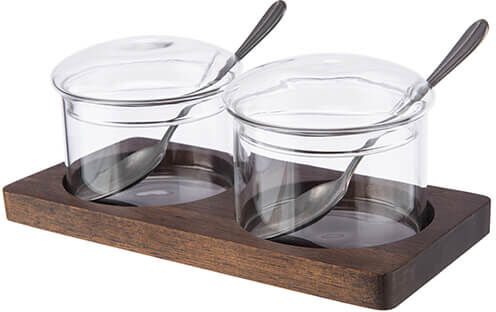
Artisan Street Condiment PotsThe Artisan Street condiment pots are made from glass and are presented on an acacia wooden board with a dark stain finish. The pots can be filled with a selection of jams, dressings and sauces and include a pair of spoons for serving that sit in the pots. Easy to refill and part of a collection, other matching items are available. Dimensions 20 x 10 x 8cm.21,20 £*Shipping: 3,50 £Secure redirect to the provider


-
Do ocean currents always move in the direction of the tides?
No, ocean currents do not always move in the direction of the tides. While tides are primarily caused by the gravitational pull of the moon and the sun, ocean currents are influenced by a variety of factors such as wind patterns, temperature differences, and the Earth's rotation. Therefore, ocean currents can move in different directions than the tides, and their movements are more complex and varied. **
-
How are message in a bottle, ocean currents, and tides related?
Messages in a bottle, ocean currents, and tides are related through the movement of water in the ocean. When a message in a bottle is thrown into the ocean, it can be carried by ocean currents, which are large-scale movements of water caused by factors such as wind, temperature, and salinity. These currents can also be influenced by tides, which are the rise and fall of sea levels caused by the gravitational pull of the moon and the sun. Therefore, messages in a bottle can be carried by ocean currents and tides, traveling long distances across the ocean. **
-
In which direction do the waves wash objects onto the shore?
Waves typically wash objects onto the shore in the direction of the beach. As waves approach the shore, they break and carry sediment and objects with them, depositing them onto the beach. The direction of the waves and the angle of the shoreline can influence the specific direction in which objects are washed onto the shore. **
-
Why am I not getting beach waves?
There could be several reasons why you are not achieving beach waves. It could be due to using the wrong styling products or tools, not using enough heat or the right technique when curling your hair, or not allowing your hair to cool and set properly after styling. Additionally, the natural texture and thickness of your hair can also affect how well it holds a curl. Experimenting with different techniques and products, as well as seeking advice from a professional stylist, may help you achieve the beach waves you desire. **


When did researchers succeed in discovering internal ocean waves?
Researchers succeeded in discovering internal ocean waves in the 1970s. Using satellite imagery and oceanographic instruments, scientists were able to observe and measure these waves, which are caused by the interaction of tides and underwater topography. This discovery has since led to a better understanding of ocean dynamics and their impact on marine ecosystems. **
When did researchers manage to discover internal ocean waves?
Researchers managed to discover internal ocean waves in the mid-19th century. The first observations of internal waves were made by the British Royal Navy in the Strait of Gibraltar in the 1840s. Since then, advancements in technology and oceanographic research have allowed scientists to better understand the formation and behavior of these waves within the ocean. **
Top-Angebote
Products related to Condiment:
-
Uplift Essentials Plastic Condiment Containers & Seasoning Box Plastic Condiment Containers & Seasoning BoxRummaging through a chaotic mess of mismatched spice bags, leaking sauce jars, or clunky spice bottles while you are in the middle of cooking or crafting a drink is a frustrating daily hassle. When frequently used seasonings, sugar crystals, or...206,97 $*Shipping: 0,00 $Secure redirect to the provider
-
KitchenNation Large Capacity Condiment Squeeze Bottle With Lid 800ml 1000ml Leakproof Condiment Dispenser For Sauces Large Capacity Condiment Squeeze Bottle With Lid 800ml 1000ml Leakproof Condiment Dispenser For SaucesKeep your favorite sauces ready to pour, squeeze, and serve with ease. This condiment dispenser is designed for home cooks, BBQ enthusiasts, and busy kitchens that need quick, messfree access to sauces and dressings. Made from durable foodgrade...47,97 $*Shipping: 0,00 $Secure redirect to the provider
-
Artisan Street Condiment PotsThe Artisan Street condiment pots are made from glass and are presented on an acacia wooden board with a dark stain finish. The pots can be filled with a selection of jams, dressings and sauces and include a pair of spoons for serving that sit in the pots. Easy to refill and part of a collection, other matching items are available. Dimensions 20 x 10 x 8cm.21,20 £*Shipping: 3,50 £Secure redirect to the provider
-
What is the difference between beach, shore, and coast?
The beach refers to the area of sand or pebbles along the shoreline where people can relax, play, or swim. The shore is the area where the land meets the water, including beaches, cliffs, or rocky areas. The coast is a broader term that encompasses the entire area where the land meets the sea, including beaches, shores, cliffs, and any other features along the coastline. **
-
How long do beach waves last?
Beach waves can last anywhere from a few hours to a couple of days, depending on your hair type and the products you use. For some people with naturally wavy or curly hair, beach waves may hold for a longer period of time. Using a good quality sea salt spray or texturizing spray can help to enhance the longevity of beach waves. Additionally, using a curling iron or wand to touch up any loose waves can help to extend the style. **
-
Do ocean currents always move in the direction of the tides?
No, ocean currents do not always move in the direction of the tides. While tides are primarily caused by the gravitational pull of the moon and the sun, ocean currents are influenced by a variety of factors such as wind patterns, temperature differences, and the Earth's rotation. Therefore, ocean currents can move in different directions than the tides, and their movements are more complex and varied. **
-
How are message in a bottle, ocean currents, and tides related?
Messages in a bottle, ocean currents, and tides are related through the movement of water in the ocean. When a message in a bottle is thrown into the ocean, it can be carried by ocean currents, which are large-scale movements of water caused by factors such as wind, temperature, and salinity. These currents can also be influenced by tides, which are the rise and fall of sea levels caused by the gravitational pull of the moon and the sun. Therefore, messages in a bottle can be carried by ocean currents and tides, traveling long distances across the ocean. **
Similar search terms for Condiment
-
Multicon Wholesale Hub Compartment Countertop Organizer And Condiment Dispenser Compartment Countertop Organizer And Condiment DispenserA clutterfree counter makes every serving station feel more welcoming. This countertop organizer keeps condiments, packets, stirrers, napkins, utensils, and small essentials neatly sorted in one easytoreach place. Designed with 3 tiers and 6...244,97 $*Shipping: 0,00 $Secure redirect to the provider
-
INOX Hammered 7 Pc. Condiment SetElegance with a twist! Our Hammered 7 Pc. Condiment Set will elevate the style at any gathering. This sparkling hammered stainless steel set consists of three organic bowls on a tray, each with one of our distinctive twisted handle serving spoons38,24 $*Shipping: 0,00 $Secure redirect to the provider
-
In which direction do the waves wash objects onto the shore?
Waves typically wash objects onto the shore in the direction of the beach. As waves approach the shore, they break and carry sediment and objects with them, depositing them onto the beach. The direction of the waves and the angle of the shoreline can influence the specific direction in which objects are washed onto the shore. **
-
Why am I not getting beach waves?
There could be several reasons why you are not achieving beach waves. It could be due to using the wrong styling products or tools, not using enough heat or the right technique when curling your hair, or not allowing your hair to cool and set properly after styling. Additionally, the natural texture and thickness of your hair can also affect how well it holds a curl. Experimenting with different techniques and products, as well as seeking advice from a professional stylist, may help you achieve the beach waves you desire. **
-
When did researchers succeed in discovering internal ocean waves?
Researchers succeeded in discovering internal ocean waves in the 1970s. Using satellite imagery and oceanographic instruments, scientists were able to observe and measure these waves, which are caused by the interaction of tides and underwater topography. This discovery has since led to a better understanding of ocean dynamics and their impact on marine ecosystems. **
-
When did researchers manage to discover internal ocean waves?
Researchers managed to discover internal ocean waves in the mid-19th century. The first observations of internal waves were made by the British Royal Navy in the Strait of Gibraltar in the 1840s. Since then, advancements in technology and oceanographic research have allowed scientists to better understand the formation and behavior of these waves within the ocean. **
* All prices are inclusive of VAT and, if applicable, plus shipping costs. The offer information is based on the details provided by the respective shop and is updated through automated processes. Real-time updates do not occur, so deviations can occur in individual cases. ** Note: Parts of this content were created by AI.