Buy breakers.eu ?
We are moving the project
breakers.eu .
Are you interested in purchasing the domain
breakers.eu ?
domain@kv-gmbh.de · 0541-91531010
Buy breakers.eu ?
When did researchers succeed in discovering internal ocean waves?
Researchers succeeded in discovering internal ocean waves in the 1970s. Using satellite imagery and oceanographic instruments, scientists were able to observe and measure these waves, which are caused by the interaction of tides and underwater topography. This discovery has since led to a better understanding of ocean dynamics and their impact on marine ecosystems. **
When did researchers manage to discover internal ocean waves?
Researchers managed to discover internal ocean waves in the mid-19th century. The first observations of internal waves were made by the British Royal Navy in the Strait of Gibraltar in the 1840s. Since then, advancements in technology and oceanographic research have allowed scientists to better understand the formation and behavior of these waves within the ocean. **
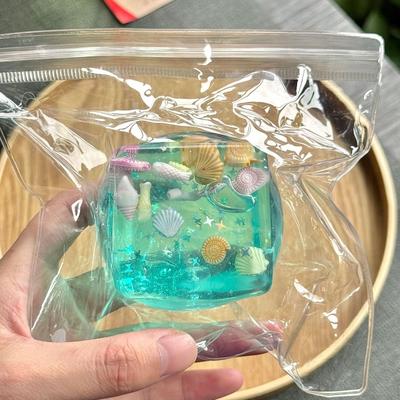

Similar search terms for JoyToys-Ocean-Glow-Maltose
Top-Angebote
Products related to JoyToys-Ocean-Glow-Maltose:
-
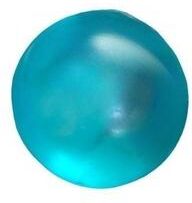
JoyToys Blue Maltose Squishy Toy Slow Rise Stress Relief Toy For Sensory Fidget Fun 1pc MaltoseExperience a calming moment whenever you need it most with this irresistibly soft sensory fidget toy. Designed for kids, teens, and adults, this transparent blue maltoseinspired squeeze toy delivers a satisfying slowrebound feel that helps ease...29,97 $*Shipping: 0,00 $Secure redirect to the provider
-
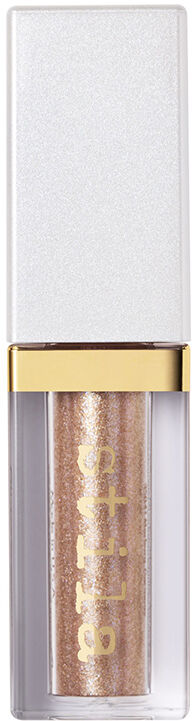
Stila Glisten & Glow Liquid Eyeshadow-OceanStila Glisten & Glow Liquid Eyeshadow is the perfect mixture of high pigment and micro-fine glitter for stunning pearly finish on your eye lids. With a water-infused texture, this lightweight eyeshadow effortlessly glides on providing a refreshing feel and rich colour that lasts! Available colours: Ocean Kitten Oasis Brook Waterfall Ingredients: Ocean: Water/Aqua/Eau, Aluminum Calcium Sodium Silicate, Mica, Glycerin, Hydroxyethyl Acrylate/Sodium Acryloyldimethyl Taurate Copoly Mer, Squalane, Silica, Caprylyl Glycol, Phenoxyethanol, Polysorbate 60, Tin Oxide, Hexylene Glycol, Sorbitan Isostearate, Carbomer, Triethanolamine, Iron Oxides (Ci 77491, Ci 77499), Titanium Dioxide (Ci 77891). Kitten: Water/Aqua/Eau, Aluminum Calcium Sodium Silicate, Mica, Glycerin, Hydroxyethyl Acrylate/Sodium Acryloyldimethyl Taurate Copoly Mer, Squalane, Silica, Caprylyl Glycol, Phenoxyethanol, Polysorbate 60, Hexylene Glycol, Tin Oxide, Sorbitan Isostearate, Triethanolamine, Carbomer, Iron Oxides (Ci 77491), Titanium Dioxide (Ci 77891). Oasis: Water/Aqua/Eau, Calcium Sodium Borosilicate, Aluminum Calcium Sodium Silicate, Mica, Glycerin, Hydroxyethyl Acrylate/Sodium Acryloyldi Methyl Taurate Copolymer, Squalane, Silica, Caprylyl Glycol, Phenoxyethanol, Polysorbate 60, Tin Oxide, Hexylene Glycol, Sorbitan Isostearate, Carbomer, Triethanolamine, Iron Oxides (Ci 77491), Titanium Dioxide (Ci 77891). Brook: Water/Aqua/Eau, Mica, Aluminum Calcium Sodium Silicate, Glycerin, Calcium Sodium Borosilicate, Hydroxyethyl Acrylate/Sodium Acryloyldimethyl Taurate Copolymer, Squalane, Silica, Caprylyl Glycol, Phenoxyethanol, Polysorbate 60, Hexylene Glycol, Tin Oxide, Sorbitan Isostearate, Carbomer, Triethanolamine, Iron Oxides (Ci 77491), Ferric Ferrocyanide (Ci 77510), Titanium Dioxide (Ci 77891). Waterfall: Water/Aqua/Eau, Mica, Glycerin, Calcium Sodium Borosilicate, Silica, Hydroxyethyl Acrylate/Sodium Acryloyldimethyl Taurate Copolymer, Squalane, Caprylyl Glycol, Phenoxyethanol, Hexylene Glycol, Polysorbate 60, Tin Oxide, Sorbitan Isostearate, Carbomer, Triethanolamine, Iron Oxides (Ci 77491, Ci 77499), Titanium Dioxide (Ci 77891).25,00 £*Shipping: 2,95 £Secure redirect to the provider
-
JoyToys Blue Maltose Squishy Toy Slow Rebound Stress Relief Sensory Fidget 1Experience a calming escape with the Blue Maltose Squishy Toy, designed to melt away everyday stress one satisfying squeeze at a time. Its crystalclear blue appearance and soft, gellike texture create a relaxing sensory experience for kids, teens,...29,97 $*Shipping: 0,00 $Secure redirect to the provider
-
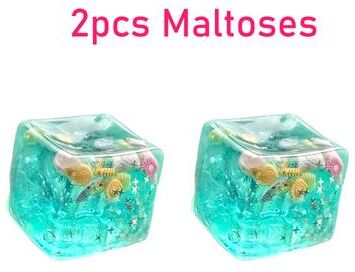
JoyToys Ocean Glow Maltose Squishy Toy Slow Rise Stress Relief Sensory Cube With Floating Stars 2pcsExperience calming comfort with every squeeze. This transparent oceaninspired Stress Relief Toy features a soft, jellylike maltose texture and floating star accents that create a soothing visual and tactile experience. Designed for kids, teens, and...32,97 $*Shipping: 0,00 $Secure redirect to the provider

-
Do ocean currents always move in the direction of the tides?
No, ocean currents do not always move in the direction of the tides. While tides are primarily caused by the gravitational pull of the moon and the sun, ocean currents are influenced by a variety of factors such as wind patterns, temperature differences, and the Earth's rotation. Therefore, ocean currents can move in different directions than the tides, and their movements are more complex and varied. **
-
How are message in a bottle, ocean currents, and tides related?
Messages in a bottle, ocean currents, and tides are related through the movement of water in the ocean. When a message in a bottle is thrown into the ocean, it can be carried by ocean currents, which are large-scale movements of water caused by factors such as wind, temperature, and salinity. These currents can also be influenced by tides, which are the rise and fall of sea levels caused by the gravitational pull of the moon and the sun. Therefore, messages in a bottle can be carried by ocean currents and tides, traveling long distances across the ocean. **
-
Are these ocean planets?
No, these are not ocean planets. While they may have large amounts of water on their surfaces, they are not entirely covered in water like ocean planets such as Earth. These planets have a variety of surface features and may have different compositions and atmospheres that make them distinct from ocean planets. **
-
Why is the Atlantic Ocean rougher than the Indian and Pacific Ocean?
The Atlantic Ocean is generally rougher than the Indian and Pacific Oceans due to its location and weather patterns. The Atlantic Ocean is more exposed to strong winds and storms coming from the west, which can create larger waves and rougher conditions. Additionally, the Atlantic Ocean is narrower than the Indian and Pacific Oceans, which can amplify wave heights and make the water choppier. The combination of these factors contributes to the Atlantic Ocean being rougher compared to the other two oceans. **


Which ocean has fresh water?
The Arctic Ocean has fresh water. This is because it is covered by a thick layer of ice made up of frozen freshwater. As the ice melts, it releases fresh water into the ocean. This makes the Arctic Ocean one of the least salty oceans in the world. **
Which ocean is the wildest?
The Southern Ocean is often considered the wildest ocean due to its strong winds, high waves, and extreme weather conditions. It is known for its unpredictable and harsh environment, making it a challenging place for sailors and researchers alike. **
Top-Angebote
Products related to JoyToys-Ocean-Glow-Maltose:
-
JoyToys Ocean Glow Maltose Squishy Toy Slow Rise Stress Relief Sensory Cube With Floating Stars cubeExperience calming comfort with every squeeze. This transparent oceaninspired Stress Relief Toy features a soft, jellylike maltose texture and floating star accents that create a soothing visual and tactile experience. Designed for kids, teens, and...29,97 $*Shipping: 0,00 $Secure redirect to the provider
-
DynamicDeals Ocean Glow Squishy Fidget Toy Transparent Maltose Stress Relief Cube 2pcsTurn restless moments into soothing sensory comfort with this ultrasoft sensory stress toy designed for kids, teens, and adults alike. Its crystalclear oceaninspired design and slowrising texture create a deeply satisfying squeeze that helps ease...49,97 $*Shipping: 0,00 $Secure redirect to the provider
-
JoyToys Blue Maltose Squishy Toy Slow Rise Stress Relief Toy For Sensory Fidget Fun 1pc MaltoseExperience a calming moment whenever you need it most with this irresistibly soft sensory fidget toy. Designed for kids, teens, and adults, this transparent blue maltoseinspired squeeze toy delivers a satisfying slowrebound feel that helps ease...29,97 $*Shipping: 0,00 $Secure redirect to the provider
-
Stila Glisten & Glow Liquid Eyeshadow-OceanStila Glisten & Glow Liquid Eyeshadow is the perfect mixture of high pigment and micro-fine glitter for stunning pearly finish on your eye lids. With a water-infused texture, this lightweight eyeshadow effortlessly glides on providing a refreshing feel and rich colour that lasts! Available colours: Ocean Kitten Oasis Brook Waterfall Ingredients: Ocean: Water/Aqua/Eau, Aluminum Calcium Sodium Silicate, Mica, Glycerin, Hydroxyethyl Acrylate/Sodium Acryloyldimethyl Taurate Copoly Mer, Squalane, Silica, Caprylyl Glycol, Phenoxyethanol, Polysorbate 60, Tin Oxide, Hexylene Glycol, Sorbitan Isostearate, Carbomer, Triethanolamine, Iron Oxides (Ci 77491, Ci 77499), Titanium Dioxide (Ci 77891). Kitten: Water/Aqua/Eau, Aluminum Calcium Sodium Silicate, Mica, Glycerin, Hydroxyethyl Acrylate/Sodium Acryloyldimethyl Taurate Copoly Mer, Squalane, Silica, Caprylyl Glycol, Phenoxyethanol, Polysorbate 60, Hexylene Glycol, Tin Oxide, Sorbitan Isostearate, Triethanolamine, Carbomer, Iron Oxides (Ci 77491), Titanium Dioxide (Ci 77891). Oasis: Water/Aqua/Eau, Calcium Sodium Borosilicate, Aluminum Calcium Sodium Silicate, Mica, Glycerin, Hydroxyethyl Acrylate/Sodium Acryloyldi Methyl Taurate Copolymer, Squalane, Silica, Caprylyl Glycol, Phenoxyethanol, Polysorbate 60, Tin Oxide, Hexylene Glycol, Sorbitan Isostearate, Carbomer, Triethanolamine, Iron Oxides (Ci 77491), Titanium Dioxide (Ci 77891). Brook: Water/Aqua/Eau, Mica, Aluminum Calcium Sodium Silicate, Glycerin, Calcium Sodium Borosilicate, Hydroxyethyl Acrylate/Sodium Acryloyldimethyl Taurate Copolymer, Squalane, Silica, Caprylyl Glycol, Phenoxyethanol, Polysorbate 60, Hexylene Glycol, Tin Oxide, Sorbitan Isostearate, Carbomer, Triethanolamine, Iron Oxides (Ci 77491), Ferric Ferrocyanide (Ci 77510), Titanium Dioxide (Ci 77891). Waterfall: Water/Aqua/Eau, Mica, Glycerin, Calcium Sodium Borosilicate, Silica, Hydroxyethyl Acrylate/Sodium Acryloyldimethyl Taurate Copolymer, Squalane, Caprylyl Glycol, Phenoxyethanol, Hexylene Glycol, Polysorbate 60, Tin Oxide, Sorbitan Isostearate, Carbomer, Triethanolamine, Iron Oxides (Ci 77491, Ci 77499), Titanium Dioxide (Ci 77891).25,00 £*Shipping: 2,95 £Secure redirect to the provider
-
When did researchers succeed in discovering internal ocean waves?
Researchers succeeded in discovering internal ocean waves in the 1970s. Using satellite imagery and oceanographic instruments, scientists were able to observe and measure these waves, which are caused by the interaction of tides and underwater topography. This discovery has since led to a better understanding of ocean dynamics and their impact on marine ecosystems. **
-
When did researchers manage to discover internal ocean waves?
Researchers managed to discover internal ocean waves in the mid-19th century. The first observations of internal waves were made by the British Royal Navy in the Strait of Gibraltar in the 1840s. Since then, advancements in technology and oceanographic research have allowed scientists to better understand the formation and behavior of these waves within the ocean. **
-
Do ocean currents always move in the direction of the tides?
No, ocean currents do not always move in the direction of the tides. While tides are primarily caused by the gravitational pull of the moon and the sun, ocean currents are influenced by a variety of factors such as wind patterns, temperature differences, and the Earth's rotation. Therefore, ocean currents can move in different directions than the tides, and their movements are more complex and varied. **
-
How are message in a bottle, ocean currents, and tides related?
Messages in a bottle, ocean currents, and tides are related through the movement of water in the ocean. When a message in a bottle is thrown into the ocean, it can be carried by ocean currents, which are large-scale movements of water caused by factors such as wind, temperature, and salinity. These currents can also be influenced by tides, which are the rise and fall of sea levels caused by the gravitational pull of the moon and the sun. Therefore, messages in a bottle can be carried by ocean currents and tides, traveling long distances across the ocean. **
Similar search terms for JoyToys-Ocean-Glow-Maltose
-
JoyToys Blue Maltose Squishy Toy Slow Rebound Stress Relief Sensory Fidget 1Experience a calming escape with the Blue Maltose Squishy Toy, designed to melt away everyday stress one satisfying squeeze at a time. Its crystalclear blue appearance and soft, gellike texture create a relaxing sensory experience for kids, teens,...29,97 $*Shipping: 0,00 $Secure redirect to the provider
-
JoyToys Ocean Glow Maltose Squishy Toy Slow Rise Stress Relief Sensory Cube With Floating Stars 2pcsExperience calming comfort with every squeeze. This transparent oceaninspired Stress Relief Toy features a soft, jellylike maltose texture and floating star accents that create a soothing visual and tactile experience. Designed for kids, teens, and...32,97 $*Shipping: 0,00 $Secure redirect to the provider
-
DynamicDeals Ocean Glow Squishy Fidget Toy Transparent Maltose Stress Relief Cube cubeTurn restless moments into soothing sensory comfort with this ultrasoft sensory stress toy designed for kids, teens, and adults alike. Its crystalclear oceaninspired design and slowrising texture create a deeply satisfying squeeze that helps ease...34,97 $*Shipping: 0,00 $Secure redirect to the provider
-
JoyToys Blue Maltose Squishy Toy Slow Rebound Stress Relief Sensory Fidget 2Experience a calming escape with the Blue Maltose Squishy Toy, designed to melt away everyday stress one satisfying squeeze at a time. Its crystalclear blue appearance and soft, gellike texture create a relaxing sensory experience for kids, teens,...29,97 $*Shipping: 0,00 $Secure redirect to the provider
-
Are these ocean planets?
No, these are not ocean planets. While they may have large amounts of water on their surfaces, they are not entirely covered in water like ocean planets such as Earth. These planets have a variety of surface features and may have different compositions and atmospheres that make them distinct from ocean planets. **
-
Why is the Atlantic Ocean rougher than the Indian and Pacific Ocean?
The Atlantic Ocean is generally rougher than the Indian and Pacific Oceans due to its location and weather patterns. The Atlantic Ocean is more exposed to strong winds and storms coming from the west, which can create larger waves and rougher conditions. Additionally, the Atlantic Ocean is narrower than the Indian and Pacific Oceans, which can amplify wave heights and make the water choppier. The combination of these factors contributes to the Atlantic Ocean being rougher compared to the other two oceans. **
-
Which ocean has fresh water?
The Arctic Ocean has fresh water. This is because it is covered by a thick layer of ice made up of frozen freshwater. As the ice melts, it releases fresh water into the ocean. This makes the Arctic Ocean one of the least salty oceans in the world. **
-
Which ocean is the wildest?
The Southern Ocean is often considered the wildest ocean due to its strong winds, high waves, and extreme weather conditions. It is known for its unpredictable and harsh environment, making it a challenging place for sailors and researchers alike. **
* All prices are inclusive of VAT and, if applicable, plus shipping costs. The offer information is based on the details provided by the respective shop and is updated through automated processes. Real-time updates do not occur, so deviations can occur in individual cases. ** Note: Parts of this content were created by AI.